Horrible: The Charming Handwritten Font for Authentic Designs
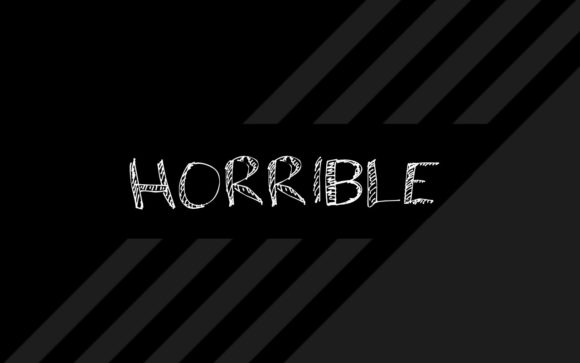
There's a particular magic to a font that feels human. In a digital landscape often dominated by crisp, geometric perfection, a typeface like Horrible stands out by embracing imperfection. Designed by Florencia Raffa, this isn't a font that tries to be flawless; it's a creative font that aims to be real. Its simple, lettered, handwritten style carries the warmth of a chalkboard scribble or a quick note in a journal, making it a surprisingly versatile tool for designers, entrepreneurs, and creators seeking to inject personality into their work.
At its core, Horrible is a display font with a distinct personality. Its characters mimic the natural irregularities of handwriting—slight variations in baseline, inconsistent stroke widths, and a relaxed, informal rhythm. This isn't a tightly scripted script font or a rigid sans serif font. It’s the visual equivalent of a friendly conversation. The overall appeal lies in its authenticity. It avoids the often sterile feel of standard web fonts, offering instead a tactile quality that can make a design feel more approachable, personal, and trustworthy. For projects that need to connect on a human level, Horrible provides an immediate sense of genuineness.
Where Horrible Truly Shines: Practical Applications
The strength of a handwritten font like Horrible is its chameleon-like ability to adapt to various contexts while maintaining its core character. Its utility spans far beyond a single niche, proving valuable in both commercial and personal projects.
In brand identity, Horrible can be a secret weapon for businesses wanting to project approachability. Imagine a local bakery's logo, a boutique coffee shop's menu board, or the packaging for artisanal goods. The font adds a layer of homemade charm and care. For social media graphics, it cuts through the noise. A motivational quote, a sale announcement, or a blog post title set in Horrible feels more like a note from a friend than a corporate broadcast, potentially boosting engagement. It's equally effective in editorial design for pull quotes, chapter headings in a lifestyle magazine, or subheadings in a blog, where it adds visual interest without overwhelming body text.
For web design, Horrible works best in controlled, impactful doses. It’s an excellent choice for hero section headings, call-to-action buttons, or specific UI elements that need a touch of personality. The key is pairing it wisely. Juxtaposing it against a clean, highly readable serif font or sans serif font for body copy creates a dynamic and professional font pairing that balances charm with clarity. Beyond digital, it's a natural fit for packaging design, greeting cards, wedding invitations, and any print project where a personal touch is paramount.
Integrating Horrible Into Your Design Workflow
Choosing the right typeface is a strategic decision. Horrible isn't a universal solution, but when used thoughtfully, it becomes a powerful design asset. The first step is evaluating project fit. Ask yourself: Does my brand or project value warmth, creativity, and authenticity? If the answer is yes, Horrible is worth testing. It’s less suited for legal documents or traditional corporate reports, but ideal for lifestyle brands, creative portfolios, educational materials for children, and any venture targeting an audience that appreciates a human touch.
Always test the font in context. How does it look at the specific size you’ll use it? Handwritten fonts can lose legibility at very small sizes. Horrible’s strength is in larger headlines and display text, so check its clarity at your intended scale. Crucially, experiment with font pairing. Pair it with a stable, neutral premium font for paragraphs to ensure readability and establish a clear visual hierarchy. A bold sans serif can complement it well, or a classic serif can create an elegant contrast.
Before finalizing, review the font package thoroughly. Does it include the full character set you need—uppercase, lowercase, numerals, punctuation, and common symbols? For commercial projects, licensing is non-negotiable. Ensure you have the appropriate commercial font license that covers your use case, whether it's for a client's logo, merchandise, or a mobile app. Florencia Raffa’s design provides a specific aesthetic; understanding its personality and limitations ensures it enhances rather than detracts from your modern typography goals.
Ultimately, Horrible is more than just a set of letters. It's a tool for storytelling. By leveraging its authentic, handwritten character, you can create designs that feel less constructed and more discovered, fostering a deeper connection with your audience. It proves that in the world of typography, sometimes a little imperfection is the most compelling feature of all.