Normal Font: Why This Handwritten Typeface is Your New Secret Weapon
There’s a moment in every creative project where the default options just don’t cut it. You’ve cycled through the standard sans serif font choices and the overly formal serif font pairings, but nothing captures the specific warmth or energy you’re looking for. You need something that feels human, approachable, and distinct without sacrificing clarity. This is where Normal enters the conversation. It’s not just another handwritten font; it is a carefully crafted typeface designed to bridge the gap between casual charm and professional utility. If you are tired of generic typography that fails to connect with your audience, understanding the nuances of this specific creative font could change the way you approach your next design.
The Visual Personality of Normal
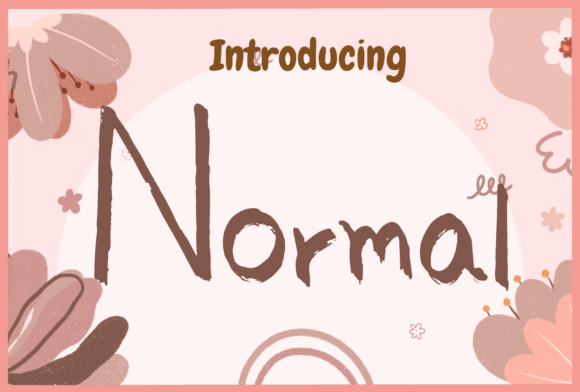
When we talk about modern typography, we often discuss the tension between legibility and character. Normal manages to strike a rare balance. Unlike many script font options that can look chaotic or difficult to read at smaller sizes, Normal maintains a consistent baseline and distinct letterforms. It possesses a rhythmic flow that mimics natural handwriting but with enough structure to function as a body of text if needed. The visual weight is medium, meaning it holds its own on a page without overwhelming the surrounding design elements.
The personality of Normal is best described as "quirky but reliable." It avoids the jagged edges or extreme slant found in more aggressive handwritten font styles. Instead, it offers a friendly, open aesthetic. This makes it an incredibly versatile design asset. Whether you are working on logo design for a boutique coffee shop or creating social media graphics for a lifestyle brand, the font adapts to the context. It signals to the viewer that a human is behind the message, which is a powerful psychological trigger in an era of automated, sterile digital communication.
Practical Applications: From Branding to Packaging
The true test of any premium font is how well it performs in the real world. Normal shines across a wide spectrum of applications, making it a valuable addition to any designer’s toolkit.
Brand Identity and Logo Design: For small businesses, particularly in the wellness, food, or artisan sectors, brand identity relies heavily on authenticity. Using Normal in your primary logo or wordmark can instantly convey a sense of craftsmanship. It works exceptionally well when paired with a clean sans serif font for body copy, creating a hierarchy that feels both professional and personal.
Packaging and Editorial Design: In packaging design, shelf appeal is everything. A quirky display font like Normal can draw the eye and suggest that the product inside is made with care. Similarly, in editorial design, such as magazine headers or pull quotes, it breaks the monotony of standard text blocks. It invites the reader to pause and engage with the content on a more intimate level.
Digital and Web Design: In the realm of web design, user experience is paramount. While you might not use a handwritten font for your main navigation bar, Normal is excellent for hero section headlines, call-to-action buttons, or testimonial highlights. It softens the digital interface, making a website feel less like a machine and more like a service. For digital design assets like e-books or online course materials, this font helps maintain the reader's attention by adding visual variety.
Strategic Typography: Pairing and Hierarchy
Choosing a font is rarely an isolated decision; it is about how that typeface interacts with others. One of the strengths of Normal is its ability to play well with others in a font pairing strategy. Because it has a distinct personality, it acts as the "accent" in your typographic hierarchy.
A common mistake in modern typography is using two fonts that are too similar, resulting in a muddy visual hierarchy. To get the most out of Normal, pair it with something structurally opposite. For example, a geometric sans serif font provides a clean, stable foundation that allows the quirks of Normal to stand out without causing visual clutter. If you are going for a more classic look, a light-weight serif font can provide an elegant counterpoint to the casual nature of the handwritten style.
When evaluating your project fit, consider the tone of your message. Normal is not the right choice for a law firm’s annual report or a heavy financial disclaimer. However, for a bakery menu, a wedding invitation, a podcast cover, or a blog header, it is often the perfect solution. It communicates warmth and accessibility, which are key components of effective audience engagement.
Technical Considerations and Commercial Use
Before integrating any commercial font into a workflow, a professional must look at the technical details. Normal is designed with usability in mind, but testing is always required. One of the most critical steps in the design process is checking readability across different mediums. A font that looks beautiful on a high-resolution monitor might lose its charm when printed on textured paper or viewed on a low-end mobile device.
When working with Normal, pay attention to kerning (the spacing between characters). Handwritten fonts sometimes require manual adjustment to ensure that the connections between letters feel natural and don't create awkward gaps. Furthermore, check the included styles. Does the family come with bold or italic variations? Having a full family allows you to maintain consistency across your entire brand identity system, from the website footer to the printed invoice.
Licensing is another crucial area. Since Normal is a premium font, you need to ensure your license covers your intended use. Most commercial font licenses cover desktop use for creating static images like logos and print materials. However, if you plan to use the font for web design (using @font-face) or in a mobile app, you typically need a separate web or app license. Always read the EULA (End User License Agreement) to avoid legal headaches down the road.
Conclusion: Elevating Your Creative Toolkit
In a digital landscape saturated with generic visuals, the details matter. The fonts you choose are a direct reflection of your brand's voice. Normal offers a way to inject personality and humanity into your projects without sacrificing the professionalism required for business success. It is a creative font that proves "normal" doesn't have to mean boring. By leveraging its unique style and pairing it thoughtfully, you can create designs that are not only visually appealing but also deeply resonant with your target audience. Whether for greeting cards, presentations, or high-end packaging design, this typeface deserves a spot in your rotation.