Jake: Commanding Varsity Block Font
There’s a specific feeling you get when you step onto a well-maintained field or look up at the stands during a big game. It’s a mix of tradition, discipline, and raw power. Capturing that specific energy in a digital design is difficult unless you have the right tools. Jake is a premium font designed to bridge that gap between the digital canvas and the physical stadium. It isn’t just a collection of letters; it is a visual representation of athletic heritage.
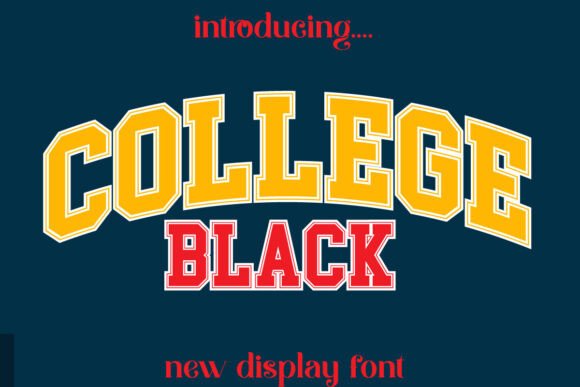
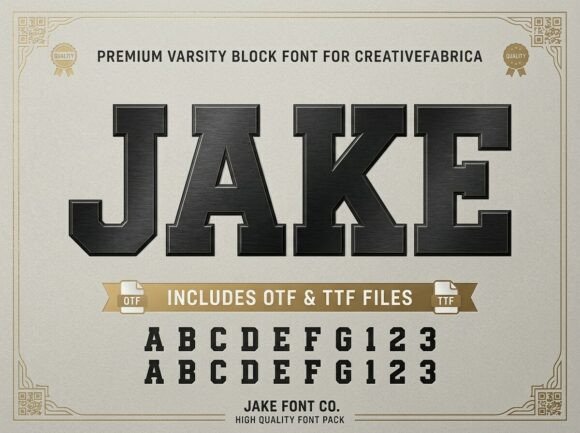
Visually, Jake is built on the foundations of classic collegiate design. It features heavy, solid weights and sharp slab serifs that ground the text firmly on the page. If you look closely at the letterforms, you’ll notice the proportions are engineered to feel familiar yet distinct. It avoids the overly stylized look of some modern display fonts, opting instead for a disciplined, structured aesthetic. This makes it a commanding typeface that doesn’t need to shout to be heard. It has that "block" quality—sturdy, reliable, and undeniably bold.
The Anatomy of a Modern Classic
When selecting a typeface for a project, the details matter. Jake distinguishes itself through its heavy weight and distinct slab serifs. In typography terms, a slab serif is characterized by thick, block-like serifs, which usually imply confidence and stability. Jake takes this concept and amplifies it. The terminals are blunt, and the stroke contrast is low, meaning the thickness of the lines remains relatively consistent throughout the letter. This structural integrity is what gives the font its "unbeatable" presence.
Unlike a standard sans serif font that might look too minimal for high-impact branding, or a script font that can be difficult to read at small sizes, Jake occupies a specific middle ground. It is a creative font that prioritizes legibility without sacrificing personality. It doesn't rely on frills or decorative swashes to make an impression. Instead, it uses sheer mass and geometric precision. This makes it an exceptional choice for situations where you need text to be read quickly, such as on a moving jersey or a billboard viewed from a distance.
Practical Applications: Beyond the Jersey
While the description suggests sports jersey numbering—and it is indeed perfect for that—the utility of a font like Jake extends far into the world of brand identity and commercial design. Because it carries such a strong association with athletics and education, it can be used strategically to evoke those same feelings of trust, teamwork, and determination in other contexts.
Consider the entrepreneur launching a fitness apparel line. Using Jake for the logo design and hang tags immediately signals that the product is meant for serious use. It suggests durability. However, think outside the gym as well. In editorial design, a bold typeface is essential for creating a strong visual hierarchy. Jake works beautifully for pull quotes or magazine headers, especially in publications focused on lifestyle, men’s interest, or outdoor adventure.
- Gym Apparel and Merch: Perfect for screen printing on t-shirts, hoodies, and hats. The heavy weight ensures the design pops against the fabric.
- Event Posters: Whether it’s a local 5K, a high school fundraiser, or a music festival, Jake commands attention on flyers and posters.
- Packaging Design: For products like protein bars, energy drinks, or rugged outdoor gear, the slab serif style communicates strength and reliability.
- Social Media Graphics: On crowded platforms like Instagram or TikTok, a bold display font is necessary to stop the scroll. Jake is excellent for creating impactful quote cards or announcement banners.
Even in web design, where clean sans serifs often dominate body text, Jake can serve as a powerful accent. Using it for H1 or H2 headers creates a distinct brand voice that separates a site from the generic templates found everywhere online. It brings a level of professionalism and intentionality that generic system fonts simply cannot match.
Mastering Font Pairing and Hierarchy
One of the most common questions designers face is how to pair fonts. A display font like Jake has such a strong personality that it requires a partner that complements rather than competes. Because Jake is a serif font with heavy visual weight, it pairs exceptionally well with lighter sans serif fonts or even elegant handwritten fonts for contrast.
If you are working on a project that requires a lot of body copy—like a brochure or a website—do not set the paragraphs in Jake. Its heavy block style is designed for impact, not for reading long-form text. Instead, use Jake for the headlines to grab attention, and then switch to a clean, highly legible sans serif font like Helvetica, Open Sans, or Futura for the body text. This contrast creates a dynamic visual hierarchy that guides the reader’s eye naturally from the headline to the content.
Testing and Evaluating Fit
Before committing a font to a major brand overhaul, it is crucial to test it in the specific context where it will live. If you are designing for print, print out a sample. The weight of Jake might look slightly different on uncoated paper stock compared to glossy magazine pages. If you are designing for web, test the font on mobile devices. While Jake is robust, ensuring that the kerning (the space between letters) looks balanced at smaller sizes on a phone screen is a necessary step in professional design.
Furthermore, review the included styles. A versatile premium font family often includes different weights or stylistic alternates. Having access to a condensed version or a slightly lighter weight can be invaluable for maintaining brand consistency across different mediums without the design feeling repetitive.
Building a Brand with Character
Choosing a typeface is one of the most significant decisions in the logo design and brand identity process. It sets the tone for how customers perceive the business. By choosing Jake, you are making a deliberate statement about the brand's values. You are suggesting that the brand is established, confident, and energetic.
This is particularly useful for small business owners and content creators looking to professionalize their image. In a crowded market, the assets you use define your level of seriousness. A disjointed mix of free, low-quality fonts can make a brand look amateurish. Conversely, utilizing a cohesive, high-quality typeface system demonstrates a commitment to quality.
When applying Jake to your designs, pay attention to spacing. Because it is a heavy font, it often benefits from a little extra tracking (letter-spacing) in uppercase settings to let the letters breathe. This prevents the text from looking like a solid black block and improves readability. It is these small typographic adjustments that separate a good design from a great one.
Ultimately, Jake is more than just a varsity block font; it is a design asset that brings structure and power to your creative toolkit. Whether you are numbering jerseys for a national league, launching a new startup, or designing high-impact posters, this typeface provides the backbone your design needs to stand tall. It respects the traditions of collegiate typography while offering the sharpness required for modern digital applications. It is disciplined, it is powerful, and it is ready to work.