Papan Kita: The Artistic Dingbats Font for Creative Minds
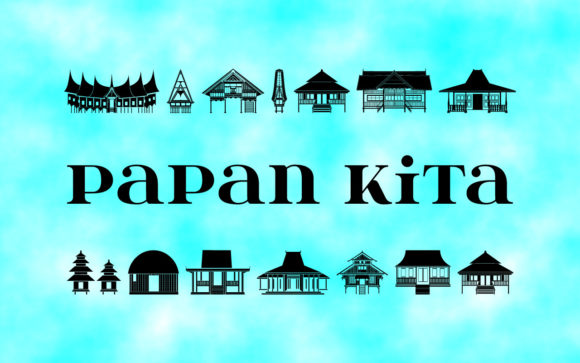
When you're deep in the creative process, searching for that perfect element to complete a design, you often find yourself scrolling through endless libraries of standard alphabets. Sometimes, however, the most powerful tool isn't a letter at all. Enter Papan Kita, a stunning, beautiful, and unique dingbats font that breaks the mold of conventional design assets. Created by the talented Didik Pratikno, this typeface offers a collection of intricate building styles and artistic motifs that can transform a flat layout into a vibrant visual narrative. It’s not just a font; it’s a toolkit for visual storytelling.
Understanding the Visual Language of Papan Kita
At first glance, Papan Kita immediately stands out due to its rich, detailed line work. Unlike standard icons or simple geometric shapes, the characters in this font possess a distinct personality. They evoke a sense of craftsmanship and cultural heritage, featuring patterns that resemble carved wood, woven textiles, or intricate architectural elements. This is where the "building styles" mentioned in its description truly shine. The glyphs aren't random; they are cohesive units that feel like they belong together, allowing designers to build borders, backgrounds, or central focal points with ease.
The overall appeal of this typeface lies in its ability to add warmth and texture to digital and print projects. We often talk about "modern typography" being sleek and minimal, but Papan Kita proves that modern design can also be ornate and expressive. It bridges the gap between a decorative script font and a functional symbol set. For a designer looking to add a hand-crafted feel without the hassle of drawing every line by hand, this font is a game-changer.
Where Papan Kita Fits Best: From Branding to Packaging
One of the most common questions designers ask about a new creative font is, "Where can I actually use this?" With Papan Kita, the versatility is surprisingly broad, provided you match it with the right project context. Because of its artistic and somewhat ornamental nature, it excels in environments where visual impact is more critical than body text readability.
Consider packaging design, for instance. If you are working on a brand that deals in artisanal goods, organic products, or cultural merchandise, the glyphs in Papan Kita can be used to create stunning decorative frames for product labels. Instead of sourcing expensive stock vectors, you can type out a border using this font, ensuring a consistent weight and style throughout the package.
Similarly, in editorial design and web design, drop caps and section dividers are often overlooked. Using characters from Papan Kita as decorative elements can break up long blocks of text, guiding the reader's eye down the page. It adds a layer of sophistication to magazines, blogs, and landing pages that standard geometric shapes simply cannot achieve. It serves as a perfect complement to a clean sans serif font or a classic serif font, providing that necessary visual relief.
Elevating Visual Hierarchy and Brand Perception
Typography plays a massive role in how an audience perceives a brand. While a handwritten font might suggest playfulness, and a script font implies elegance, a dingbats font like Papan Kita communicates attention to detail and a respect for artistry. When you incorporate these elements into your brand identity, you are telling your audience that you value quality and uniqueness.
Visual hierarchy is about guiding the viewer's attention. By using the bold, intricate shapes found in Papan Kita, you can instantly anchor a layout. For example, in social media graphics, where you have less than three seconds to grab attention, a striking background pattern or a large central icon created with this font can stop the scroll. It adds a level of professionalism that generic stock images lack.
Furthermore, consistency is key in marketing. Once you select a specific set of glyphs from Papan Kita to represent your brand, you can use them across your website, business cards, and advertisements. This repetition builds recognition. Your audience will start to associate those specific artistic shapes with your business, creating a subconscious link between the visual style and your service or product.
Practical Guidance for Using Dingbats
Integrating a premium font like Papan Kita into your workflow requires a bit of strategic thinking. It is not a "set it and forget it" asset; it requires experimentation to unlock its full potential. Here are some practical tips for designers, entrepreneurs, and content creators:
- Evaluate the Fit: Before committing, look at the personality of the glyphs. Do they match the voice of your project? If you are designing for a cutting-edge tech startup, the intricate, traditional building styles might feel out of place. However, for a boutique hotel, a restaurant, or a craft store, it is likely a perfect match.
- Master Font Pairing: Papan Kita is a display font in the sense that it demands attention. Pair it with something neutral. A geometric sans serif font like Montserrat or a readable serif font like Lora works well. Avoid pairing it with other highly decorative fonts, or the design will become chaotic and unreadable.
- Check the Character Map: Spend time exploring the full character map. Papan Kita by Didik Pratikno includes a variety of styles. You might find that certain letters produce individual icons, while others create seamless patterns. Understanding the full library of glyphs allows you to use the font for more than just isolated symbols.
- Readability Considerations: This is crucial. Papan Kita is designed for decoration, not for long-form text. Never use it for paragraphs or even subheadings where legibility is paramount. Use it for logos, headers, borders, and standalone artistic elements.
- Licensing: Always review the commercial font license. Ensure that the license covers your intended use, whether it is for a client's logo, merchandise for sale, or digital templates. Respecting the creator's terms ensures you can use the assets worry-free.
Bringing Your Creative Ideas to Life
The true power of Papan Kita lies in its ability to make ideas come alive. We often have a vision in our head—a design that feels rich, cultural, and unique—but we lack the tools to execute it quickly. This typeface acts as a shortcut to that high-end aesthetic.
Imagine you are a small business owner creating invitations for a grand opening. You want something that feels hand-crafted. By using Papan Kita, you can create a border that looks like it was hand-carved, paired with a clean modern typography layout for the details. The result is a professional, cohesive piece of marketing that elevates your brand before the doors even open.
Or perhaps you are a crafter designing a t-shirt. You need a central graphic that is scalable and crisp. Using the glyphs from this font ensures that the lines are clean and the design is balanced. It saves hours of vector tracing and allows for quick color changes to match your fabric.
In the crowded world of design assets, finding something that feels genuinely different is rare. Papan Kita by Didik Pratikno offers that distinct artistic flair. It encourages designers to step away from the standard icon libraries and explore a world of intricate, building-inspired art. Whether you are working on a logo, a poster, or a website, adding this font to your library is an investment in creativity. It reminds us that typography is not just about reading words; it's about seeing art.