Patinio Graffiti: The Futuristic Street Art Font
There are typefaces that whisper, and there are typefaces that shout. Patinio Graffiti does neither—it roars with the confident energy of a spray can hitting a concrete wall at midnight. Created by Ricardo Arley Patiño Peña, this display font captures something specific: that intersection where street culture collides with digital futurism. It doesn't try to be everything to everyone. Instead, it commits fully to a visual identity that feels raw, modern, and unmistakably bold.
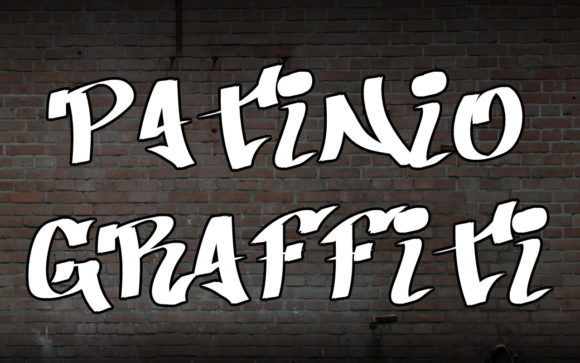
When you first encounter Patinio Graffiti, the letterforms grab attention immediately. The strokes carry that characteristic unevenness of hand-painted street art, but with a precision that signals careful digital craftsmanship. There's a weight to each character—not heavy in a clunky way, but substantial. The kind of weight that makes words feel important before you've even read them. The overall personality leans toward aggressive creativity, the sort of typeface that would feel at home on a skateboard deck, a music festival poster, or the side of a sneaker box.
Where This Font Actually Works
Knowing what a font looks like is one thing. Knowing where to deploy it is where real design work happens. Patinio Graffiti excels in contexts where you need to make an immediate visual statement and where the audience expects—or welcomes—something edgy.
For logo design, particularly for brands targeting younger demographics or operating in creative industries, this typeface offers instant character. Think streetwear labels, urban photography studios, independent record shops, or mobile gaming startups. The font does heavy lifting in establishing brand identity before any tagline or color palette even enters the conversation. However, a word of caution: if your brand needs to convey trustworthiness in traditional sectors like finance or healthcare, this probably isn't your primary choice.
T-shirt and sportswear designs represent perhaps the most natural home for Patinio Graffiti. The font's visual energy translates directly onto fabric in a way that more restrained typefaces simply cannot achieve. I've seen designers pair it with minimal graphics—just a single word or short phrase—and let the typography carry the entire design. The results consistently feel fresh without trying too hard.
In advertising and social media graphics, this display font works exceptionally well for headlines and call-to-action text. Social platforms reward thumb-stopping content, and Patinio Graffiti delivers that stopping power. For Instagram stories, YouTube thumbnails, or event promotion posts, the font communicates urgency and excitement. Just remember to keep body copy in something more readable—a clean sans serif font pairs naturally here.
Understanding Its Personality and Visual DNA
Every typeface carries emotional weight, whether designers acknowledge it or not. Patinio Graffiti communicates rebellion, creativity, and forward-thinking energy. The letterforms suggest motion—they feel like they're moving even when static on a page or screen. This quality makes the font particularly effective for brands and projects that want to position themselves as innovative or countercultural.
Compared to a traditional serif font that might evoke heritage and authority, or a clean sans serif font that suggests modern minimalism, Patinio Graffiti occupies a different space entirely. It sits alongside other creative font options like script font or handwritten font styles in terms of personality-driven design, but its aesthetic roots in street art give it an edge that cursive or organic lettering typically lacks.
The modern typography landscape increasingly values authenticity and distinctiveness. Generic fonts get lost in crowded markets. When a premium font like Patinio Graffiti brings genuine character to a project, it becomes a valuable design asset rather than just another file in a font library.
Practical Guidance for Using Patinio Graffiti
Choosing a font isn't just about aesthetics—it's about fit. Before committing to Patinio Graffiti for any project, ask yourself a few honest questions. Does the target audience appreciate street art aesthetics? Will the font be used at sizes large enough to showcase its details? Does the overall brand voice match the energy this typeface brings?
Font pairing deserves careful attention with any display typeface. Patinio Graffiti works best when it handles headlines, titles, or short impactful phrases while a more neutral companion manages longer text. A geometric sans serif font like Montserrat or Poppins creates a clean contrast. For projects that want to maintain some edge throughout, a slightly condensed sans serif can bridge the gap between the headline's intensity and the body text's need for readability.
Avoid pairing it with other highly stylized fonts. Combining Patinio Graffiti with an ornate script font or decorative display face typically creates visual chaos rather than intentional design. The goal is contrast with harmony, not competition between styles.
Readability remains essential, even with display fonts. At smaller sizes, the intricate details that make Patinio Graffiti visually interesting can become muddy. Test your designs at actual viewing distances and sizes. A headline on a billboard reads differently than the same text on a business card. For web design and editorial design applications, reserve this font for hero sections, pull quotes, or section headers rather than paragraph text.
Licensing matters for commercial work. If you're using Patinio Graffiti in client projects, merchandise, or commercial packaging design, verify the license covers your intended use. Most commercial font licenses distinguish between personal and commercial applications. Investing in proper licensing protects both you and your clients while supporting the typographers who create these design assets.
Making It Part of Your Design Toolkit
The strongest brand identity systems use typography strategically. Patinio Graffiti might serve as your primary display face for campaigns, product launches, or seasonal promotions while a more versatile family handles everyday communications. This approach gives brands the best of both worlds: consistent recognition through distinctive typography and practical flexibility for varied applications.
For entrepreneurs and small business owners exploring their visual identity, fonts like Patinio Graffiti offer a way to stand out without massive design budgets. A memorable wordmark or headline treatment using a distinctive display font can become the cornerstone of a recognizable brand. The key lies in consistency—once you establish how and where the font appears, maintain those standards across every touchpoint.
Ricardo Arley Patiño Peña created something specific with this typeface. It doesn't apologize for its boldness or try to soften its edges for broader appeal. That authenticity is precisely what makes Patinio Graffiti valuable to the right project. When the fit is right, this font doesn't just display words—it transforms them into visual experiences that audiences remember.