Simple Stacked: A Groovy Wavy Font for Vibrant Designs
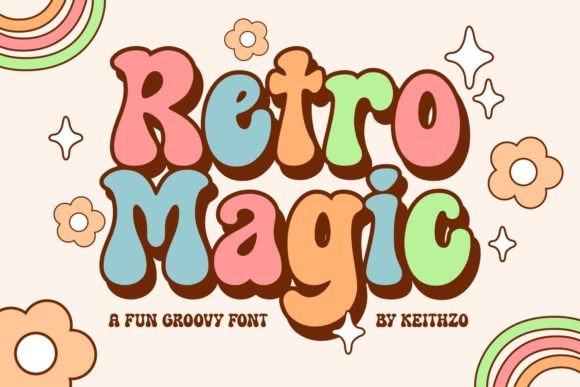
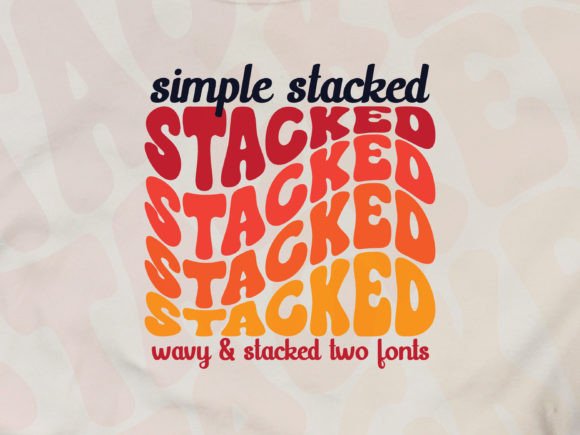
If you've been searching for a typeface that bridges the gap between retro nostalgia and modern design trends, Simple Stacked deserves your attention. This isn't your everyday serif font or a standard sans serif font. It is a distinct display font characterized by its "groovy" aesthetic, featuring stacked letterforms and a unique wavy effect. The defining characteristic of Simple Stacked is its triple rainbow styling, which gives the text a layered, three-dimensional appearance without needing complex Photoshop effects. It captures the spirit of 70s typography but filters it through a clean, contemporary lens, making it a premium font choice for anyone looking to inject energy into their visual projects.
The Visual Personality of Simple Stacked
When you look at Simple Stacked, the first thing that strikes you is the motion. Unlike a static sans serif font, this typeface feels like it is moving. The letters are arranged vertically—hence the "stacked" name—allowing headlines to take up significant vertical space, which is excellent for posters and vertical social media formats. The wavy effect softens the edges, avoiding the rigid geometry of traditional modern typography. This creates a vibe that is approachable, fun, and undeniably stylish.
Because it functions primarily as a display font, Simple Stacked is designed to be seen, not just read. It commands attention immediately. The triple rainbow coloring (which can often be customized in vector software) adds depth that makes the text pop off the background. It’s a creative font that evokes a sense of joy and nostalgia, perfect for brands that want to appear friendly, eclectic, and confident. It avoids the scratchiness often found in handwritten font styles, offering a polished, graphic look instead.
Where Simple Stacked Shines: Applications and Use Cases
Understanding where to deploy a premium font like Simple Stacked is key to getting a return on your investment. Because of its bold, decorative nature, it excels in environments where brevity and impact are required.
Branding and Logo Design
For entrepreneurs and small business owners, logo design is about differentiation. Simple Stacked is a fantastic candidate for brands in the lifestyle, food, beverage, or entertainment sectors. Imagine a boutique coffee shop, a vinyl record store, or a craft brewery using this typeface for their wordmark. It instantly communicates a brand identity that is creative and laid-back. However, it works best for brands that don't take themselves too seriously; a corporate law firm might want to stick to a traditional serif font.
Editorial and Packaging Design
In editorial design, headers need to hook the reader. Using Simple Stacked for magazine covers or chapter titles adds a layer of visual interest that standard bold fonts lack. Similarly, in packaging design, shelf appeal is everything. Whether you are designing a label for a hot sauce or a box for organic granola, the wavy, groovy style of this typeface suggests a product that is fun and flavorful. It helps create a brand identity that stands out against competitors using generic typography.
Digital Presence: Web and Social
The digital landscape is crowded. On Instagram, Pinterest, or TikTok, you have a split second to stop the scroll. Simple Stacked is perfect for social media graphics because its visual density and color potential make it highly engaging. For web design, it should be used sparingly—likely for H1 headers or hero section call-outs—rather than body text. Pairing it with a clean sans serif font for the body copy ensures your website remains professional while maintaining that creative spark in the headlines.
Strategic Considerations for Designers and Creators
While Simple Stacked is visually striking, using it effectively requires a strategic approach. As a design asset, it has specific strengths that, if ignored, can lead to design clutter.
Readability and Visual Hierarchy
Because of the stacked layout and wavy distortion, readability drops significantly at small sizes. This is a common trait among display fonts. You should never use Simple Stacked for body copy, disclaimers, or navigation menus. Its role is to establish the top of the visual hierarchy. Use it for the main headline to draw the eye, then transition to a highly legible serif or sans serif font for the supporting information. This contrast actually improves the overall readability of your design by creating a clear distinction between the headline and the content.
Evaluating Project Fit
Before choosing this font, evaluate the tone of your project. Simple Stacked carries a strong personality. It is perfect for a summer music festival poster, a retro-themed wedding invitation, or a YouTube thumbnail. It is less suitable for minimalist designs, medical brochures, or high-fashion luxury branding that relies on understated elegance. The font is a tool for expression; make sure the expression matches the message.
Software and Customization
The prompt recommends using Adobe Illustrator for this font, and for good reason. Vector-based software allows you to manipulate the paths of the letters easily. If you want to change the colors of the "triple rainbow" layers or adjust the kerning between the stacked letters, Illustrator provides the precision needed. While you can use it in Canva or Photoshop, having access to the raw vector capabilities ensures your brand identity remains consistent across all assets.
Font Pairing Strategies
Pairing is an art form. Since Simple Stacked is loud and detailed, it pairs best with quiet, neutral fonts.
- With Sans Serif: Pairing it with a geometric sans serif font like Montserrat or Futura creates a modern, clean look that balances the retro vibe of the header.
- With Serif: Mixing it with a transitional serif font like Garamond or Times can create a sophisticated "high-low" contrast, mixing editorial class with playful energy.
- Avoid Script: Generally, avoid pairing it with another script font or handwritten font, as the visual noise will compete for attention and result in a chaotic layout.
Licensing and Commercial Use
For entrepreneurs and content creators, the legal side of modern typography is just as important as the aesthetic. Simple Stacked is a commercial font, meaning you typically need to purchase a license to use it in client work, merchandise, or monetized digital content. Always review the End User License Agreement (EULA) before finalizing a design. Ensure your license covers the specific use case—whether it is for physical products (like t-shirts or mugs) or digital ads. Using a premium font legally protects your business and supports the type designers who create these unique tools.
Final Thoughts on Simple Stacked
In a world of minimalism, Simple Stacked is a breath of fresh air. It reminds us that design can be playful, colorful, and expressive. Whether you are a designer looking for a standout display font, a marketer crafting a viral campaign, or a hobbyist working on a personal project, this typeface offers a distinct voice. It blends the nostalgia of groovy, retro styles with the clean execution required for web design and packaging design. By using it strategically—balancing its bold personality with legible body text and respecting its licensing—you can elevate your projects and create visual experiences that truly resonate with your audience.