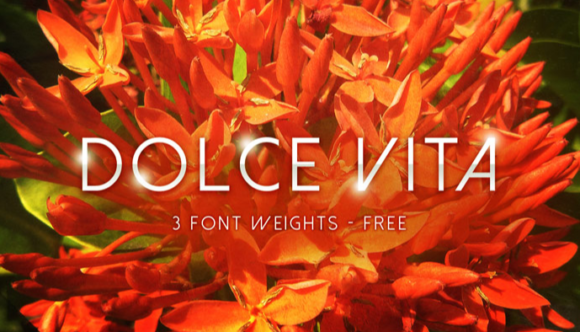
Dolce Vita: The Elegant Serif Font for Modern Designs
There’s a particular kind of design challenge that comes up when a project needs to feel both timeless and contemporary. You want that sense of heritage, the quiet authority of classic typography, but you also need it to function cleanly in a digital environment. This is exactly where Dolce Vita positions itself. It’s a capital font, which immediately gives it a certain stature and presence. Think of it as a serif font that’s been refined for the modern designer’s toolkit, stripping away the overly ornate flourishes of the past while keeping a sophisticated, structured foundation.
What makes Dolce Vita work so well isn’t just its aesthetic; it’s its practicality. It was made for designers, by designers, which you can feel in its versatility. It’s not a one-trick pony. You might reach for it when crafting a logo that needs to convey luxury or reliability without looking stuffy. It handles body type surprisingly well for a display font, especially when you’re setting short blocks of text, quotes, or headlines that need to anchor a layout. The overall personality is one of refined confidence. It has enough visual interest to stand out in a crowded space, but it’s balanced enough not to overwhelm your other design elements.
Where Dolce Vita Truly Shines
The real test of any premium font is how it performs across different mediums. Dolce Vita’s three weights—Light, Normal, and Bold—give you a solid range for creating visual hierarchy. The Light weight is elegant and airy, perfect for subtitles or secondary information that needs to feel delicate. The Normal weight is your workhorse for most applications, offering excellent readability. The Bold weight has a wonderful, assertive presence that commands attention in headlines and logos.
Consider brand identity. A small business owner developing their visual language needs a typeface that will be consistent across a website, social media graphics, and printed materials like business cards or packaging. Dolce Vita’s structured forms ensure it reproduces cleanly at various sizes, from a tiny favicon to a large sign. For editorial design—think magazines, lookbooks, or blog headers—it brings a polished, curated feel. In packaging design, especially for products in the food, beauty, or lifestyle spaces, its elegance can elevate the perceived value of the product.
Practical Guidance for Using This Typeface
So, how do you decide if Dolce Vita is the right creative font for your project? Start by evaluating the mood you’re aiming to create. If your goal is a friendly, casual, or highly technical feel, this might not be your first choice. But if you’re aiming for sophistication, timelessness, or a modern editorial vibe, it’s a strong contender. It pairs beautifully with clean sans serif fonts for a classic contrast, or with a subtle script font for a touch of personality.
When you’re testing it, pay close attention to readability in context. Set a paragraph in the Normal weight at the size you intend to use for body copy and see how it feels. Check the spacing between letters (tracking) and lines (leading). A great typeface should feel comfortable to read for more than a sentence or two. For digital projects, test it on different screens to ensure the serifs don’t get lost or become fuzzy at smaller sizes.
Finally, understand what you’re getting. Dolce Vita is a commercial font, which typically means you’re licensing the right to use it in your projects, not owning the design outright. Review the license to ensure it covers your intended use, whether that’s for a single client, a product you sell, or a website. Having a high-quality, licensed design asset like this in your library is an investment in the professionalism and consistency of your work. It removes the guesswork and last-minute scrambles to find a suitable typeface, letting you focus on the bigger picture of your design or brand strategy.
A Font for the Thoughtful Creative
Ultimately, choosing a font is about finding the right voice for your message. Dolce Vita offers a voice that is articulate, stylish, and adaptable. It’s a tool that respects the designer’s need for both beauty and function. Whether you’re building a brand identity from scratch, designing a wedding invitation, creating a stylish resume, or laying out a digital publication, it provides a reliable foundation of elegance. It doesn’t shout; it speaks with clarity and poise, which is often exactly what a project needs to connect with its audience and stand the test of time.