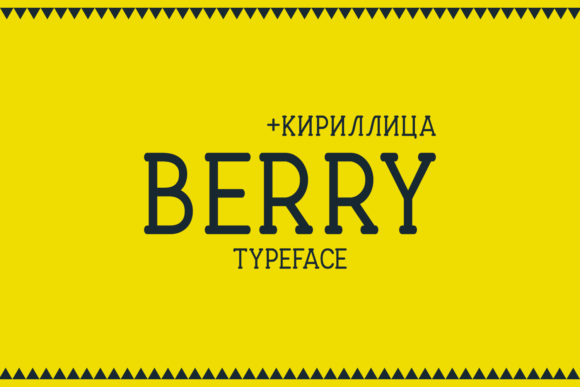
Berry: The Slab Serif for Modern, Minimalist Designs
When you're building a brand or crafting a visual identity, the typeface you choose does more than just display words—it sets the entire tone. A font can whisper sophistication, shout innovation, or feel comfortably familiar. In a landscape crowded with ornate scripts and stark sans serifs, finding a typeface that balances personality with professionalism is a genuine find. Berry is a minimalistic slab serif font that manages to do exactly that. It offers a clean, contemporary edge without sacrificing the warmth and readability that make serif fonts so enduringly useful.
Understanding Berry's Visual Character
At its core, Berry is defined by its clarity and quiet confidence. The "slab" in slab serif typically refers to bold, block-like terminals on letters. Berry refines this concept. Its serifs are present but not heavy, giving letters a stable, grounded foundation without feeling bulky or dated. The letterforms themselves feature clean lines, consistent stroke widths, and open apertures—the spaces inside letters like 'e' and 'a'. This careful engineering results in a typeface that feels both structured and airy, making it exceptionally versatile.
The personality of Berry is one of approachable modernism. It avoids the stark, sometimes cold, feel of a geometric sans serif, yet it doesn't carry the historical weight of a traditional serif like Times New Roman. Think of it as the typographic equivalent of a well-tailored blazer: professional enough for the boardroom, but relaxed enough for a creative studio. Its minimalism is its strength, allowing it to adapt to a wide range of contexts without overwhelming other design elements.
Where Berry Truly Shines: Practical Applications
The real value of a creative font like Berry is measured in its application. Where does this typeface feel most at home? The answer is surprisingly broad, but its strengths are most apparent in projects that demand a blend of readability and distinct style.
Branding and Logo Design
For startups, small businesses, and personal brands, Berry is a formidable asset. In logo design, a font needs to be memorable yet legible at various sizes, from a website header to a tiny social media icon. Berry’s clear structure ensures your brand name remains crisp and recognizable. It communicates a brand identity that is trustworthy, modern, and detail-oriented—qualities that resonate with audiences from entrepreneurs to established publishers.
Editorial and Packaging Design
Imagine the cover of a minimalist cookbook, a magazine layout for a design studio, or the packaging for a premium skincare line. Berry excels here. Its readability in longer text blocks makes it suitable for subheadings and pull quotes, while its personality allows it to stand out on a cover or a product label. It pairs beautifully with both sans serif and script fonts, offering endless possibilities for creating visual hierarchy in editorial design and packaging.
Digital Presence and Marketing Materials
In the digital realm, clarity is king. Berry performs admirably on screens, maintaining its integrity in web design for headings and key messages. For social media graphics, it provides a polished look that helps content stand out in a crowded feed. Whether you're creating a presentation, an email newsletter, or digital ads, using Berry can lend a consistent, professional feel to your marketing collateral, enhancing audience engagement through superior visual communication.
Making the Most of Berry in Your Projects
Adopting a new typeface involves more than just liking its appearance. To integrate Berry effectively, consider these practical steps.
Evaluate Your Project's Needs: Berry is a versatile display font, but it's wise to assess its fit. For a project requiring extensive body text, you might pair it with a highly optimized sans serif. For headlines, logos, and impactful statements, Berry often stands perfectly on its own.
Test Font Pairings: One of Berry’s greatest strengths is its compatibility. Experiment with pairing it with a clean, geometric sans serif for a modern contrast, or with a subtle script font for a touch of elegance in invitations or branding materials. The goal is to create a harmonious dialogue between typefaces.
Review the Included Styles: Check if the Berry font family includes multiple weights or styles (e.g., Regular, Bold, Italic). A good font family offers flexibility, allowing you to create a robust typographic system with consistent visual DNA across different applications.
Consider Readability at Scale: Always test your chosen font at the actual sizes it will be used. Berry’s open letterforms generally ensure good readability, but it’s a crucial step for any project, especially in web design and print where viewing conditions vary.
Understand the Licensing: If you are using Berry for commercial work—client projects, products for sale, or business marketing—ensure you have the appropriate commercial license. This protects you legally and supports the type designers who create these valuable design assets.
In the end, Berry is more than just a freebie; it’s a tool for elevation. Its minimalistic slab serif design provides a stable yet contemporary foundation for countless creative endeavors. By understanding its character and applying it thoughtfully, you can leverage this typeface to bring cohesion, professionalism, and a distinctive voice to your next project, truly taking your designs to the next level.