Fifty Five: A Modern Typeface for Authentic Branding
When you are building a brand or launching a new marketing campaign, the typography you choose does more than just display words; it sets the emotional tone. I recently came across Fifty Five, a fascinating free font created by Mike Hill, and it has quickly become a go-to resource in my toolkit for projects that need a human touch without sacrificing legibility. It strikes a rare balance between the warmth of a handwritten font and the structure of a modern sans serif font. If you have ever struggled to find a typeface that feels personal but still looks professional, Fifty Five might be the solution you have been looking for.
Visual Characteristics and Personality
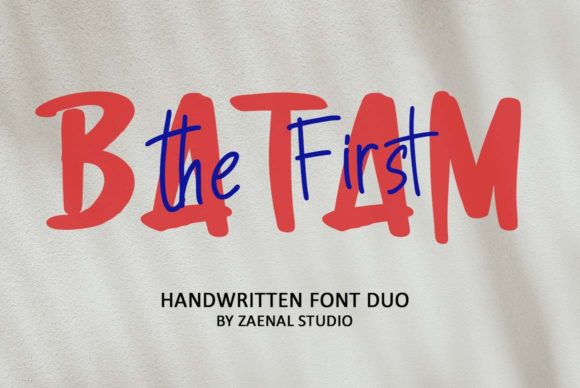
At first glance, Fifty Five looks like a casual, hand-drawn script, but a closer inspection reveals a disciplined structure. The letterforms have a slight irregularity that mimics the natural flow of ink on paper, which gives the text an immediate sense of authenticity. Unlike messy grunge fonts that can look chaotic, Fifty Five maintains excellent readability. It falls into that sweet spot of modern typography where a display font can actually be used for short blocks of body text if sized correctly. The texture is smooth but distinct, avoiding the pixelated look that plagues many free design assets.
Mike Hill designed this typeface with two distinct variations: Fifty Five Regular and Fifty Five Alt. The Regular version is the workhorse—it is clean, consistent, and easy to read at various sizes. The Alt version, however, swaps out several key letterforms for alternates. This variation is incredibly useful for avoiding repetition in large headlines or when you are designing a logo design where you want a specific character to stand out. Having these two styles allows you to create a cohesive but dynamic brand identity without needing to purchase a massive font family.
Strategic Applications for Branding and Marketing
For entrepreneurs and small business owners, the font you use on your website or packaging is often the first interaction a customer has with your brand. Fifty Five excels in environments where you need to build trust quickly. Because it mimics human handwriting, it subconsciously signals approachability and honesty. I have seen it work beautifully for lifestyle bloggers, artisan product packaging, and boutique agencies. If you are trying to differentiate your brand from the cold, corporate look of standard geometric sans-serifs, this creative font adds that necessary layer of warmth.
In editorial design and packaging design, visual hierarchy is everything. You need your headlines to grab attention and your body copy to guide the reader through the story. Fifty Five works exceptionally well for bold, confident headlines. Imagine a coffee bag or a magazine cover where the title feels like it was written by a real person. That is the power of this font. It pairs surprisingly well with clean, neutral serif or sans-serif fonts for the supporting text, creating a contrast that feels both modern and grounded.
Practical Guidance for Implementation
If you are considering integrating Fifty Five into your next project, there are a few practical things to keep in mind to ensure it elevates rather than hinders your design.
Evaluating Project Fit and Readability
While Fifty Five is a versatile premium font alternative (being free), it is not a one-size-fits-all solution. It is a display font at heart. Avoid using it for long paragraphs of dense legal copy or technical documentation; your audience will struggle to read it. Instead, use it for high-impact areas: social media graphics, hero sections of web design, or bold statements on packaging. The legibility holds up well on screen, making it a solid choice for digital marketing assets, but always test it on mobile devices to ensure the strokes don't bleed together at smaller resolutions.
Mastering Font Pairings
The key to using a stylistic font like Fifty Five effectively is contrast. If you pair it with another overly decorative font, the result will be visual noise. Instead, treat Fifty Five as the "personality" of your layout and pair it with a "neutral" partner. A geometric sans-serif like Montserrat or a classic serif like Garamond can ground the whimsy of Fifty Five. This combination ensures your brand identity feels established and professional while retaining a friendly, human element.
Leveraging the Alt Styles
Do not overlook the Fifty Five Alt variation. If you are designing a logo or a monogram, the alternate characters can provide that unique flourish that makes the mark memorable. In web design, you might use the Regular style for navigation and sub-headers, but switch to the Alt style for pull quotes or testimonials to add visual variety. This attention to detail shows your audience that you care about the craft of your design, which reflects positively on your brand's quality standards.
Conclusion: Elevating Your Creative Projects
Fifty Five by Mike Hill is more than just a free download; it is a strategic asset for anyone serious about visual communication. Whether you are a crafter looking for the perfect font for your Etsy shop headers, a marketer designing an email campaign, or a designer building a full brand identity, this typeface offers flexibility and charm. By understanding its visual strengths and pairing it wisely, you can create designs that feel authentic, engaging, and professionally polished. Give it a try in your next mockup—you might be surprised at how much a single font can change the narrative of your project.