Apollo ASM: Bold Display Font for Modern Branding
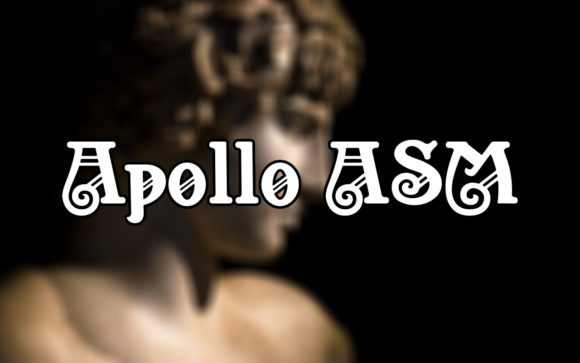
When you're working on a project that needs to make an immediate impact, the typeface you choose carries enormous weight. Apollo ASM enters the conversation as a display font that doesn't apologize for its presence. Designed by Peter Wiegel, this typeface brings a confident, contemporary energy to any design surface it touches. It's the kind of font that walks into a room and commands attention without shouting—though it certainly knows how to project when the situation calls for it.
Visually, Apollo ASM sits in a space that balances modern sharpness with a subtle geometric foundation. The letterforms feel intentional and constructed rather than organic, giving each character a sense of precision. There's a boldness baked into the design that goes beyond simply being thick or heavy. The proportions feel considered, the spacing feels deliberate, and the overall personality reads as contemporary with a slight edge. It doesn't try to mimic vintage aesthetics or lean into overly decorative trends. Instead, it occupies its own lane—cool, assured, and versatile enough to adapt to different creative contexts without losing its core identity.
Where Apollo ASM Truly Shines
Display fonts live and die by context, and understanding where Apollo ASM performs best will save you time and frustration during the design process. This typeface excels in situations where text needs to function as a visual element first and a reading experience second. Think headline treatments, hero sections on websites, large-format signage, and any application where the words are meant to be absorbed at a glance rather than parsed line by line.
For logo design, Apollo ASM offers a strong starting point. Its distinctive character shapes give brand marks a sense of personality without relying on gimmicks. A fitness brand, a streetwear label, a tech startup, or an events company could all find something valuable in this font's visual vocabulary. The key is matching its energy to the brand's own energy. If your brand identity leans toward boldness, innovation, or a forward-thinking attitude, this typeface can anchor that visual language effectively.
Editorial design presents another natural fit, particularly for magazine covers, feature article headers, book chapter titles, and promotional posters. When you're designing a layout that needs a strong typographic focal point, Apollo ASM delivers that anchor point without requiring excessive supporting design elements. Pair it with a clean sans serif font for body text, and you've got a visual hierarchy that feels balanced and professional.
Packaging design benefits enormously from typefaces with this kind of presence. On a shelf crowded with competing products, the typography on your packaging needs to communicate brand positioning in milliseconds. Apollo ASM handles that challenge well, particularly for products targeting younger demographics or markets where contemporary aesthetics carry weight. Think beverage labels, cosmetic packaging, specialty food products, or limited-edition merchandise drops.
Digital Applications and Social Media
The digital landscape rewards typefaces that render cleanly at various sizes and maintain their personality across different screens. Apollo ASM works well in web design contexts where you need impactful hero text, section headers, or call-to-action treatments. It's worth noting that as a display font, it's not designed for extended paragraphs of body copy. Using it at smaller sizes for running text would compromise readability and undercut the very qualities that make it effective in the first place.
For social media graphics, this font becomes a genuinely useful tool in your design assets collection. Instagram posts, story templates, YouTube thumbnails, LinkedIn banners, and promotional graphics all benefit from typefaces that grab attention in fast-scrolling environments. Apollo ASM has the visual weight to hold up when someone's thumb is moving quickly past your content. That's a practical advantage that translates directly into engagement metrics.
T-shirt printing and creative font applications represent another strong use case. Apparel graphics, merchandise designs, and custom product lines often rely on typefaces that feel current and visually distinctive. Apollo ASM fits that brief naturally. Its personality works particularly well for statement pieces, brand merchandise, and designs that aim to communicate confidence or attitude.
Making Smart Font Pairing Decisions
No premium font exists in isolation. How Apollo ASM interacts with other typefaces in your design system matters just as much as how it looks on its own. Because it carries strong visual personality, it benefits from pairing with more neutral companions. A geometric sans serif font like Montserrat, Poppins, or Inter can provide clean body text that doesn't compete for attention. If you want to introduce a serif font for contrast, something with moderate weight and straightforward proportions works well. Avoid pairing it with other heavily stylized display fonts or ornate script fonts unless you have a very specific creative direction in mind—the visual noise can become overwhelming quickly.
When evaluating whether Apollo ASM fits your project, start by defining the emotional tone you're trying to establish. Write down three to five adjectives that describe your brand or project's personality. If words like bold, modern, confident, clean, or edgy appear on that list, this typeface deserves serious consideration. If your list skews toward traditional, delicate, whimsical, or formal, you'll likely find better options elsewhere.
Practical Considerations Before You Commit
Before integrating any commercial font into a project, reviewing the licensing terms is essential. Peter Wiegel's fonts typically come with clear usage guidelines, but you should always verify that the license covers your specific application—whether that's commercial client work, product merchandise, digital advertising, or print publications. Understanding these terms upfront prevents headaches later, especially if a project scales or expands into new formats.
Test Apollo ASM in your actual design environment before committing fully. Create mockups at the sizes you'll actually use. View them on different screens if the project is digital, or print physical proofs if it's for print. Check how the letterforms look in your brand colors, against your intended backgrounds, and alongside your photography or illustration styles. Modern typography decisions benefit from this kind of hands-on evaluation rather than relying solely on specimen sheets or preview images.
Consider the full scope of your brand identity system. A single font choice influences how audiences perceive your entire visual presence. Apollo ASM brings personality, but personality needs consistency to build recognition. Make sure you can commit to using it across all relevant touchpoints—your website, social channels, print materials, and any branded collateral. Inconsistent typeface usage fragments your visual identity and weakens the professional impression you're trying to create.
Ultimately, choosing a typeface is a design decision with real business implications. Apollo ASM gives you a tool that's visually distinctive, versatile across multiple creative applications, and backed by a thoughtful design approach. Used with intention and paired wisely, it can elevate your projects from looking competent to looking genuinely considered.