Ravenborg: A Modern Blackletter Font for Bold Brands
There's a particular kind of magic in typefaces that carry centuries of history yet feel entirely contemporary. You see it in the sharp, deliberate strokes of a blackletter script, a style often associated with tradition, craftsmanship, and a certain gothic grandeur. But what happens when that classic structure is filtered through a modern lens? You get something like Ravenborg. This isn't your grandfather's Old English. It's a premium font that takes the foundational weight and drama of blackletter and refines it for today's creative landscape, offering a powerful tool for designers, crafters, and brand builders who need to make an immediate, memorable impact.
The Visual Personality of Ravenborg
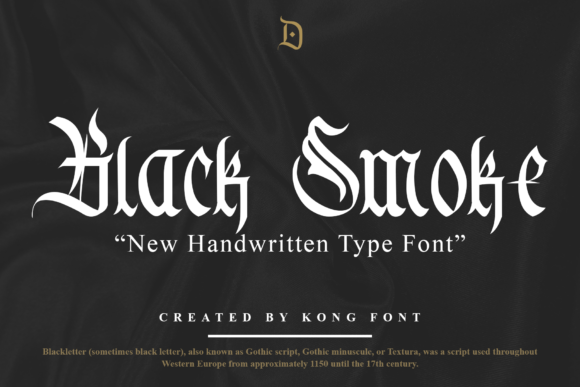
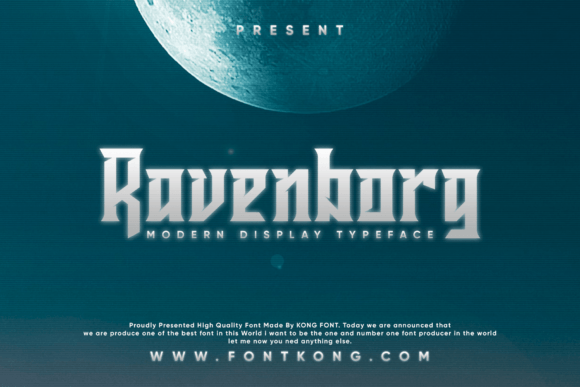
At its core, Ravenborg is a display font with an unmistakable presence. Its visual character is defined by a fusion of thick and thin strokes, creating a dynamic rhythm that guides the eye. The letterforms have a modern sharpness; the terminals are clean, and the negative space is carefully considered, preventing the dense style from feeling cluttered or illegible. While it honors the structural principles of traditional blackletter, Ravenborg avoids the overly ornate or fraktur-style flourishes that can sometimes date a typeface. Instead, it presents a streamlined, almost architectural interpretation. This gives it a dual personality: it feels both historic and avant-garde, suitable for a metal band's logo or a high-end fashion label's lookbook. Its overall appeal lies in this tension—it’s a creative font that commands attention without shouting, offering a sophisticated edge that many modern display fonts lack.
Where Ravenborg Truly Shines: Practical Applications
Understanding a font's personality is one thing; knowing where to deploy it is another. Ravenborg's strength lies in projects that require a strong point of view. It’s not the typeface for body text in a corporate report, but it’s exceptional for setting a powerful headline or creating a distinct brand mark.
In logo design, Ravenborg can form the backbone of an identity for brands that want to project confidence, heritage, or a touch of rebellious elegance. Think craft breweries, artisan distilleries, bespoke tailoring services, or even innovative tech startups looking to stand out from the sea of geometric sans serifs. Its personality helps in building a brand identity that is instantly recognizable and rich with character.
For editorial design and publishing, it’s a game-changer. Use it for chapter titles in a novel, the masthead of a lifestyle magazine, or pull quotes that need to pop off the page. In the realm of packaging design, Ravenborg excels. Imagine it on a matte black box for a luxury candle, a textured label for a small-batch hot sauce, or the branding for a specialty coffee blend. It adds a layer of perceived value and craftsmanship.
Digital applications are just as potent. For web design, it can be used sparingly for impactful hero text or section headers that break up content and establish visual hierarchy. On social media graphics, it’s perfect for creating bold announcements, podcast cover art, or YouTube thumbnails that stand out in a crowded feed. For crafters using tools like Silhouette Design Studio, it’s ideal for creating striking vinyl decals, custom apparel, and unique home decor projects where a standard script or sans serif font just won't do.
Making Ravenborg Work for You: A Practical Guide
Choosing a bold display font like Ravenborg is a strategic decision. Its power must be harnessed correctly to enhance, not overwhelm, a project. Here’s how to approach it.
Evaluating Project Fit: Before selecting Ravenborg, ask yourself: Does my project need to convey a sense of authority, tradition, or edgy sophistication? If you're designing a playful children's book cover or a minimalist wellness app, it's likely the wrong fit. But if the brief calls for drama, heritage, or a strong, singular voice, it’s a superb candidate.
Mastering Font Pairing: This is where the real design work happens. Ravenborg’s dense, high-contrast nature means it pairs best with simple, clean companions. A classic, sturdy serif font like Garamond or Caslon for body text can create a beautiful, balanced contrast between old-world sensibilities. For a more contemporary and crisp feel, pairing it with a neutral, geometric sans serif font like Helvetica, Futura, or Montserrat allows Ravenborg to be the undisputed star. Avoid pairing it with other decorative scripts or highly stylized handwritten fonts, as this will create visual chaos.
Leveraging Included Styles: A well-crafted commercial font often includes more than just the base letters. Check if Ravenborg comes with alternates, ligatures, or stylistic sets. These features can be invaluable for customizing the typeface for a specific logo design or headline, allowing you to create unique letter combinations that feel hand-crafted and exclusive to the project.
Readability Considerations: The cardinal rule with any blackletter-inspired typeface is context. Ravenborg should be used at larger sizes—think headlines, titles, and logos, not fine print. Always test its readability in the specific environment where it will be seen. Is it clear on a mobile screen at a reasonable size? Does it hold up when embossed on a business card? Its legibility at a distance, say on a banner or signage, is often excellent due to its strong, blocky forms.
Understanding the License: Since Ravenborg is a premium font from a foundry like Kong Font Studio, it will come with a specific license. For any project that will be sold—whether it’s a physical product, a digital template, or a client’s brand identity—you must ensure you have the appropriate commercial license. Review the terms on its Creative Fabrica page carefully. This isn't just about legality; it's about respecting the craft of the type designer and ensuring your use is professional and above board.
A Final Thought on Using Bold Typography
In a design world saturated with safe, homogenous choices, a typeface like Ravenborg offers a chance to be different. It’s a tool for creating visual hierarchy that doesn’t just organize information but injects it with personality. Used with intention and paired thoughtfully, it can elevate a project from ordinary to extraordinary, helping a brand or a creative work tell a more compelling, confident, and unforgettable story.