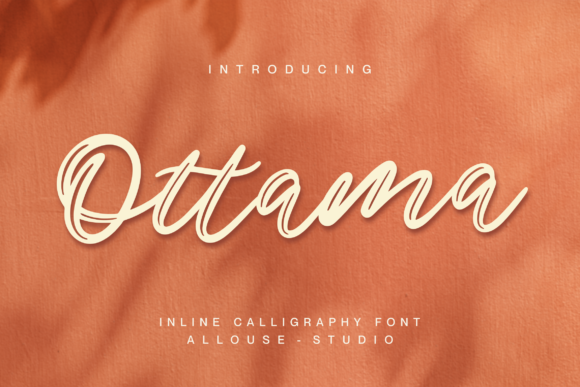
Ottama: Crafting Authentic Brand Stories with Handwritten Style
In a digital landscape crowded with sleek, geometric sans serifs and predictable serif fonts, there's a growing hunger for typography that feels genuinely human. We scroll past countless websites and social media feeds, and what often stops us isn't the most polished graphic, but the one that feels personal, crafted, and real. This is where a premium font like Ottama finds its power. It’s not just a set of characters; it’s a voice. Developed by the skilled hands at Allouse Studio, Ottama is a beautifully inclined handwritten font designed to inject warmth, personality, and a touch of artistic flair into any project it touches.
At its core, Ottama is a script font that leans into modern calligraphy without becoming illegible or overly ornate. Its letters flow with a natural, right-leaning slant, mimicking the organic rhythm of hand-lettering with a brush or a fine-tipped pen. You'll notice a pleasing contrast in its strokes—thicker downstrokes give weight and presence, while lighter upstrokes add elegance and movement. This isn't a rigid, formal script. It carries a relaxed yet confident personality, making it an excellent choice for projects that aim to feel approachable, creative, and authentic. Whether you're designing a logo for a boutique bakery or crafting social media graphics for a lifestyle coach, Ottama provides that handcrafted touch that feels both professional and personal.
Where Ottama Truly Shines: From Packaging to Personal Blogs
The true test of any creative font is its versatility. Ottama excels in scenarios where you want to establish an immediate emotional connection. Think about packaging design for artisanal goods—coffee labels, handmade soap wrappers, or gourmet jam jars. Using Ottama for the product name instantly communicates care, quality, and a small-batch ethos. It tells a story before the customer even reads the description.
For brand identity, Ottama can be a secret weapon. It’s particularly effective for businesses built on a personal brand, such as consultants, photographers, or wellness practitioners. Using it for a main logo or a consistent brand tagline creates a recognizable signature that feels unique and trustworthy. Paired with a clean sans serif font for body text, the combination achieves a perfect balance between personality and readability, a cornerstone of effective modern typography.
In editorial design and publishing, Ottama brings life to headlines, pull quotes, and chapter titles in books, magazines, or digital lookbooks. It can transform a standard blog header into an engaging invitation, making readers feel like they’re about to delve into a personal story. For web design, using Ottama sparingly for key call-to-action buttons or section headings can guide the user’s eye and break the monotony of standard web fonts, enhancing user engagement without sacrificing site speed or accessibility.
Making Ottama Work for You: A Practical Guide
Adopting a new typeface into your workflow is more than just a download. It’s a strategic choice. Here’s how to evaluate and implement Ottama effectively.
Evaluate the Fit for Your Project
First, consider your project's tone and audience. Ottama is ideal for brands and content targeting adults aged 20-50 who appreciate design, craftsmanship, and authenticity. It’s perfect for a wedding invitation suite, a café menu, a yoga studio’s promotional materials, or a small business owner’s thank-you cards. However, it may not be the best fit for a corporate financial report or a legal document where neutrality is paramount. Its strength is in display font applications, not long-form body copy.
Master the Art of Font Pairing
A font pairing can make or break a design. Ottama’s fluid, expressive nature pairs beautifully with structured, geometric typefaces. For a harmonious look, try combining it with a simple, rounded sans serif font like Poppins or Nunito. For more contrast and a classic feel, pair it with a timeless serif font such as Garamond or Playfair Display. The key is to let Ottama be the star for headlines and accents, while its partner handles the more functional, readable text. Always test your pairings at different sizes to ensure the overall hierarchy remains clear.
Explore the Included Styles and Features
A quality commercial font often comes with more than just the basic alphabet. Before you start a project, take time to explore what Ottama includes. Look for alternate characters, ligatures, and stylistic sets. These features allow you to customize the look of your text, ensuring that two uses of the font don’t appear identical. Swapping out a standard ‘a’ for an alternate can add that extra bit of uniqueness to a logo or headline. Also, verify the character set supports any special punctuation or language requirements your project needs.
Prioritize Readability and Licensing
While Ottama is designed for clarity, its handwritten style requires thoughtful implementation. Avoid using it for small body text or in low-contrast color combinations. Always test it at the intended size, especially for web design, to ensure it renders crisply on various screens. Finally, and crucially, respect the commercial font license provided by Allouse Studio. Understand the terms for use in digital products, printed merchandise, or client work. Proper licensing protects you legally and supports the independent studios that create these valuable design assets.
Ultimately, Ottama is more than just a typeface; it's a tool for storytelling. It allows designers, marketers, and content creators to step away from the impersonal and craft messages that resonate on a human level. By understanding its personality and applying it with intention, you can leverage its handwritten charm to build stronger brand recognition, create more engaging content, and connect with your audience in a way that feels both professional and profoundly personal.