Attic: A Slim Serif with Distinctive Character
There's a certain quiet confidence in a typeface that doesn't need to shout. It finds its space, holds its own, and lets the message do the talking. That’s the feeling I get from Attic, a delicate yet distinct serif font designed by Peter Wiegel. It’s not trying to be everything to everyone, and that’s precisely what makes it so useful. In a design landscape crowded with bold, high-contrast serifs and sturdy sans serifs, Attic offers a refined alternative—a slim, elegant voice that carries weight without bulk.
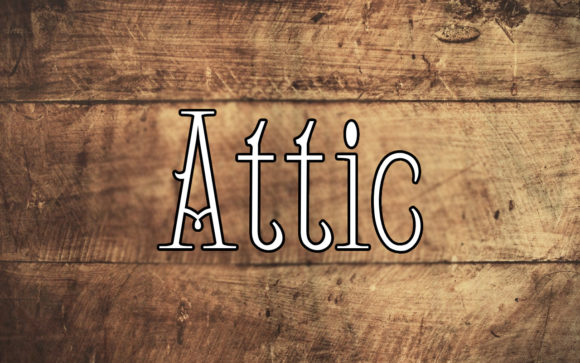
Visually, Attic is defined by its slender letterforms and sharp, confident serifs. The contrast between thick and thin strokes is present but not extreme, giving it a modern typographic sensibility that avoids feeling dated or overly decorative. It has a certain lightness, an airy quality that makes it feel both contemporary and timeless. The personality is sophisticated, intelligent, and approachable. It’s the kind of serif font that feels at home on a minimalist business card, the masthead of a design-focused magazine, or the packaging of a premium artisanal product.
Where Attic Truly Shines: From Billboards to Brand Books
The beauty of a display font like Attic is its versatility in high-impact situations. Its clean lines and excellent legibility at scale make it a natural choice for headlines, billboards, and signage. Imagine a boutique hotel’s exterior signage, where Attic’s refined character sets an immediate tone of understated luxury. Or picture it on a book cover, where its distinct serifs catch the eye without overwhelming the artwork.
But its utility extends far beyond large-format applications. In editorial design, Attic can bring a touch of elegance to chapter titles, pull quotes, and section headers. For packaging design, it communicates quality and care—think of a craft distillery’s label or a high-end skincare brand’s box. In the digital realm, it performs beautifully in hero sections of websites, in email newsletter headers, and as a headline font for social media graphics where you want to stand out with sophistication.
For entrepreneurs and small business owners building a brand identity, Attic offers a distinct voice. It can form the core of a logo design for businesses in fashion, publishing, consulting, or gourmet food—any field where a perception of taste, intelligence, and attention to detail is valuable. It pairs intelligently with a clean sans serif font for body text, creating a dynamic and professional typographic system.
The Practical Edge: PUA Encoding and Creative Freedom
One of Attic’s most significant practical advantages is that it is PUA (Private Use Areas) encoded. For the uninitiated, this means all the extra glyphs, stylistic alternates, and decorative swashes are accessible directly through your software’s character map, without needing advanced OpenType features. This is a game-changer for crafters, hobbyists, and designers using programs like Cricut Design Space, Silhouette Studio, or even basic word processors.
Want to add a flourished tail to a capital ‘Q’ in a wedding invitation? Need a special ligature for a custom logo? With Attic, these special characters are at your fingertips, ready to be used. This accessibility transforms it from just another premium font into a truly creative font, empowering users of all skill levels to add unique typographic details to their projects. It’s a feature that respects your workflow and creative intent.
Making It Work: Pairing, Testing, and Licensing
Choosing any font, including Attic, should always start with a clear understanding of your project’s goals. Ask yourself: What is the message? Who is the audience? What is the desired emotional tone? Attic’s personality leans toward elegance and clarity, so it might not be the best fit for a children’s birthday party flyer or a grunge music poster. But for a lawyer’s website, a tech startup’s brand guidelines, or a wedding stationery suite, it’s a superb choice.
Font pairing is where design strategy comes into play. Attic’s slim structure makes it an excellent partner for a wide range of typefaces. For maximum contrast and readability, pair it with a geometric or humanist sans serif font for body copy. For a more harmonious, editorial feel, consider a transitional serif. Avoid pairing it with other highly decorative serifs or complex script fonts, as this can create visual competition and reduce legibility.
Before committing, always test the font in context. Mock up a headline, a paragraph of text, or a product label. Check the readability of key words and ensure the character spacing (kerning) feels balanced. Review the full character set—does it include the numerals, punctuation, and language support you need? Since Attic is from a respected designer like Peter Wiegel, you can expect a well-crafted typeface with consistent quality.
Finally, respect the licensing. Attic is a commercial font, meaning it requires a license for use in commercial projects, whether for a client or your own business. The license typically covers a specific number of users or computers. Ensure you understand the terms—most licenses cover digital and print use, but embedding in apps or software may require an extended license. Investing in a proper license supports the independent designers who create these valuable design assets and ensures you’re using the font legally and ethically.
In the end, Attic is more than just a collection of letters. It’s a tool for communication, a building block for visual identity, and a quiet statement of quality. Its strength lies in its balanced personality: distinctive enough to be memorable, yet versatile enough to serve a wide array of projects. If you’re looking for a serif font that combines modern elegance with practical utility, Attic deserves a place on your shortlist.