Brother Gothic: A Typeface That Bridges Victorian Craft and Modern Edge
Finding a font with genuine character—one that feels both timeless and fiercely contemporary—can transform a project from ordinary to unforgettable. That's exactly the space Brother Gothic occupies. This isn't just another premium font added to your library. It's a typeface born from Victorian craftsmanship, filtered through a gothic sensibility, and sharpened with a biker's attitude. The result is a creative font that refuses to sit neatly in one category, and that's precisely what makes it so versatile.
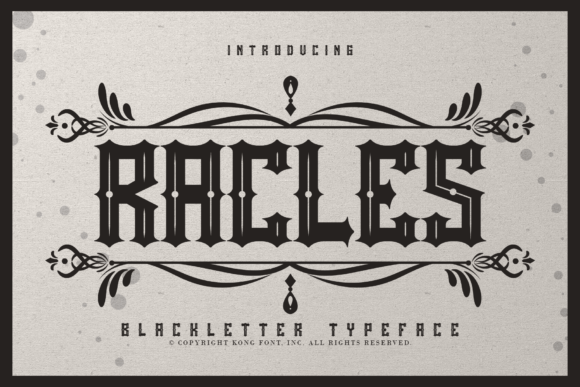
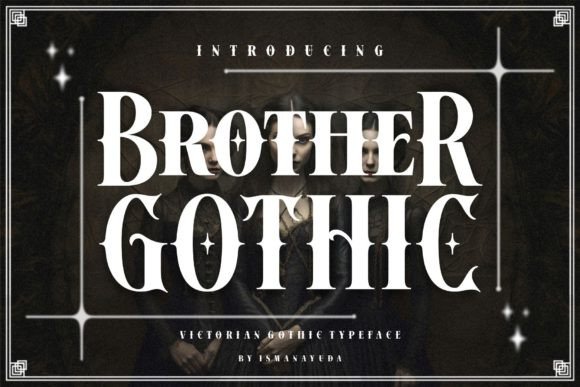
Visually, Brother Gothic carries the ornamental weight of 19th-century typography. You'll notice subtle serifs, deliberate curves, and a structure that nods to the hand-lettered signage of the Victorian era. But there's an edge here—a rawness that pulls it away from purely historical aesthetics. The letterforms feel slightly condensed, the strokes have confidence, and the overall personality leans into something darker, bolder, and more rebellious. It's a serif font at its core, but it doesn't whisper politely. It speaks with authority.
Where This Typeface Truly Shines
The beauty of Brother Gothic lies in its range. Yes, it carries a distinct mood, but that mood adapts across an impressive spectrum of applications. For logo design, it delivers instant memorability. A brand built around craftsmanship, heritage, rebellion, or authenticity will find this display font speaks its language without needing explanation. Think craft breweries, motorcycle gear, independent record labels, artisan workshops, or streetwear brands—the font does heavy lifting before a single word is read.
In editorial design, Brother Gothic works beautifully for headlines, chapter titles, and pull quotes. It commands attention on a page without overwhelming the body copy around it. Book covers in the thriller, noir, or historical fiction genres are a natural fit, but I've also seen it work surprisingly well for lifestyle publications that want to inject a bit of grit into their visual identity. Pair it with a clean sans serif font for body text, and you get a font pairing that feels intentional and layered.
Packaging design is another area where this font earns its place. Products that want to convey tradition with an edge—small-batch spirits, artisan leather goods, specialty coffee roasts—benefit from the visual weight and personality that Brother Gothic brings. It signals quality and craftsmanship without feeling stuffy or overly refined. There's a honesty to it that modern consumers respond to, especially in markets where authenticity matters more than polish.
Digital and Social Applications
For web design, Brother Gothic serves as a striking hero font. Use it for homepage headers, landing page titles, or call-to-action sections where you need visitors to pause and pay attention. It's not a font you'd set paragraphs of body copy in—that's not its job—but as a display font for key moments on a website, it performs exceptionally well. The letterforms hold their shape at various sizes, and the personality translates cleanly across screens.
Social media graphics are another strong use case. In a feed dominated by clean, minimal typography, Brother Gothic cuts through the noise. It works for quote cards, announcement posts, event promotions, and branded content that needs to stop the scroll. The font carries enough visual interest that you can keep your layouts simple and still create graphics that feel distinctive and professional.
Working With Brother Gothic: Practical Considerations
Before committing any commercial font to a project, it's worth doing a quick evaluation. Does the font's personality align with your brand's voice? Brother Gothic communicates strength, heritage, and edge. If your brand identity leans toward soft, playful, or ultra-minimal, this probably isn't your primary typeface. But if your audience values authenticity, craftsmanship, or a bit of counterculture spirit, it's a strong candidate.
Testing font pairings is essential. Brother Gothic works best alongside typefaces that don't compete for attention. A geometric sans serif font like Futura or Montserrat provides clean contrast. A simple script font or handwritten font can add warmth alongside it for certain projects. Avoid pairing it with other ornate or heavily styled typefaces—you'll create visual clutter rather than hierarchy.
Pay attention to readability in context. As a display font, Brother Gothic reads well at larger sizes for headlines, logos, and short text blocks. For longer passages, body text, or small-scale applications like footnotes and captions, switch to a complementary typeface designed for extended reading. Good modern typography is always about choosing the right tool for each specific role.
Review the styles and weights included with the font before starting. Understanding what variations are available—bold, light, condensed, extended—helps you plan your visual hierarchy more effectively. If the font family includes multiple weights, you can create depth and emphasis within your designs using a single typeface, which strengthens brand consistency across all your design assets.
Building a Brand With Intentional Typography
Typography choices shape how people perceive your brand before they process a single word of content. That's not theory—it's something anyone working in branding, marketing, or publishing sees constantly. The fonts you choose become part of your brand identity, influencing recognition, trust, and audience engagement over time.
Brother Gothic offers a specific voice. It tells your audience that you value substance, that your brand has roots, and that you're not afraid of character. Used consistently across your website, print materials, packaging, and social content, it becomes a recognizable element of your visual identity. That consistency builds professionalism and makes your brand more memorable in crowded markets.
For designers, entrepreneurs, marketers, and creators who need a creative font that carries real personality without sacrificing versatility, Brother Gothic deserves serious consideration. It fills a space that many typefaces avoid—the intersection of historical elegance and raw, modern energy. And in a landscape full of safe, predictable typography, that's a space worth owning.