Distressed: The Typeface That Tells a Story
More Than Just a Rough Edge
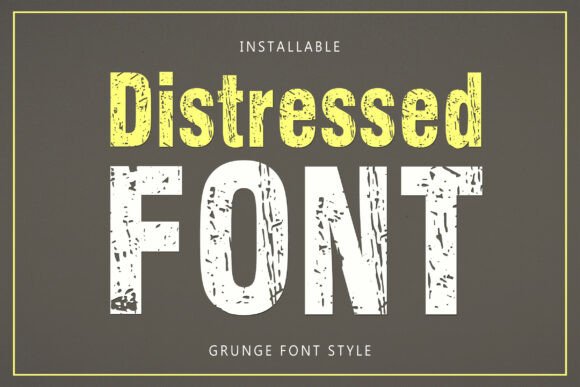
When you first encounter the Distressed typeface, it’s clear this isn’t a font for blending in. It’s a premium font built with intention, designed to inject immediate personality and a sense of history into any project. Each character is crafted with unique rough edges, subtle imperfections, and a textured surface that mimics the look of aged printing, worn signage, or stenciled military markings. This isn’t a flaw; it’s the font’s core personality. It feels authentic, like it has lived a life before landing on your screen. The appeal lies in its ability to communicate ruggedness, nostalgia, and raw honesty without a single word of explanation.
As a display font, Distressed excels at capturing attention. Its bold weight and high-contrast details ensure it stands out, whether used for a single impactful headline or a short, powerful statement. While it’s not designed for body text, its readability at larger sizes is surprisingly strong. The worn texture adds visual interest without sacrificing legibility, making it a versatile tool in a designer’s arsenal. It occupies a unique space, offering the visual weight of a strong serif font or the clean presence of a sans serif font, but with a layer of grit and character that those cleaner styles lack.
Where Distressed Truly Shines
Understanding where this typeface fits best is key to using it effectively. Its vintage-inspired, grunge aesthetic makes it a natural fit for projects aiming for a retro or industrial vibe. Think logo design for a craft brewery, a barbershop, or an outdoor adventure brand. The font instantly builds a brand identity rooted in authenticity and craftsmanship. It’s equally at home in packaging design, where it can make a coffee bag, a hot sauce label, or a candle jar feel premium and artisanal. The textured look suggests a product made with care and tradition.
Beyond physical products, Distressed brings powerful energy to editorial design and publishing. Use it for magazine cover headlines, chapter titles in a book, or promotional posters for music events and vintage markets. Its grunge aesthetic is perfect for social media graphics that need to cut through the noise, especially for brands in the fashion, music, or fitness spaces. For apparel design, it’s a standout choice. T-shirt slogans, hat embroidery, and merch branding benefit from its army-style, worn-in look that customers love. Even in web design, it can be a strategic choice for hero section headlines or call-to-action buttons on sites targeting audiences who appreciate a raw, unpolished aesthetic.
Pairing with Purpose
The real magic happens when you pair Distressed with other typefaces. Its strong personality means it needs a complementary partner. For a balanced, professional look, pair it with a clean, geometric sans serif font for body copy. The contrast allows the headline to pop while ensuring longer text remains easy to read. For a more thematic approach, consider pairing it with a simple script font or a handwritten font to create a layered, artisanal feel. Always test your font pairing in context. See how the Distressed font looks next to your chosen body font at different sizes. Check the spacing—its textured edges may require slight adjustments to letter spacing (tracking) to achieve perfect visual harmony.
Practical Considerations for Your Project
Before committing, evaluate if Distressed is the right fit for your specific goal. Ask yourself: does my project call for a vintage, rugged, or handmade feel? Is the primary use for headlines, logos, or short impactful text? If the answer is yes, you’re on the right track. Review the font package thoroughly. Many premium fonts include multiple styles or weights—does this one offer a regular and bold version? Are there alternate characters or stylistic sets that can add variety? These extras can significantly expand your creative options.
Readability is paramount. Always test the font at the intended size and in the intended medium. What looks striking on a large poster might become muddy on a small mobile screen. For digital use, ensure the texture renders cleanly at standard resolutions. For print, request a proof to verify how the worn details translate to ink on paper. Finally, and most importantly, consider the commercial licensing. If you’re using Distressed for a client project, merchandise for sale, or a commercial website, you must have the appropriate license. Verify that the license covers your specific use case, whether it’s for a single product, unlimited prints, or digital distribution. This protects you legally and ensures the font creator is fairly compensated for their work, supporting the ecosystem of high-quality design assets we all rely on.
In the end, choosing a font like Distressed is a strategic decision. It’s not just about picking letters that look cool; it’s about selecting a design asset that communicates a specific emotion and story. When used thoughtfully, it can elevate a project from generic to memorable, building a stronger connection with your audience through its authentic, textured character. It’s a tool for designers, entrepreneurs, and creators who want their work to feel real, lived-in, and full of conviction.